Oud-Waalse klinkers (Belgian block paving): cost and use
By Hovenier Hoofddorp · Updated August 7, 2026
Oud-Waalse klinkers (literally "old Walloon clinkers", close to what is sold in English-speaking markets as Belgian block or antique paver brick) are small, irregularly fired clay clinkers with a weathered, "aged" appearance - originating from the street-paving tradition of Wallonia (Belgium), where this robust clinker paving has been used for centuries. They suit driveways, garden paths and patios at characterful or heritage-listed Dutch homes that want an authentic, understated finish rather than a new-build look.
What makes oud-Waalse klinkers different from standard clinkers?
Where standard concrete pavers are machine-pressed to a fixed size and colour, oud-Waalse klinkers are deliberately irregular in shape, texture and colour - ranging from red-brown to purple-grey, often with slightly uneven edges. That gives the effect of a street that has already been there for years, rather than the crisp, repeating look of new clinkers.
Some suppliers also sell genuinely reclaimed oud-Waalse klinkers salvaged from historic street projects - pricier, but with an authentic, weathered patina that cannot be replicated with new stone.
What do oud-Waalse klinkers cost per m²?
| Item | Guide price per m² |
|---|---|
| Material (newly manufactured) | €35 – €65 |
| Material (reclaimed, where available) | €60 – €100 |
| Installed (foundation, laying, jointing) | €70 – €120 |
Labour costs run slightly higher than for standard clinkers, since the irregular sizing takes more care to keep the coursing looking neat.
Laying pattern and applications
Oud-Waalse klinkers are usually laid in a running bond or herringbone pattern - both emphasise the organic, slightly uneven shape of the stone better than a strict basketweave. They suit:
- Driveways and entrance paths at characterful or heritage-listed homes
- Rural or romantic gardens where an established, "lived-in" look is wanted
- Combining with gravel, chippings or grass joints for an even more rustic finish
For a wheelchair-, pram- or heel-friendly surface, oud-Waalse klinkers are less suitable than smooth slabs - the slight texture is part of the stone's character.
Maintenance
Oud-Waalse klinkers need little upkeep: occasional weeding between the joints and, after 10–15 years, re-sanding the joints with jointing sand or grit. With a proper foundation they last just as long as standard clinkers - often decades.
Frequently Asked Questions
Are oud-Waalse klinkers more expensive than standard concrete pavers?
Yes, typically 20–40% more expensive, in both material and installation. The irregular shape takes more laying time, and the material itself costs more to produce than machine-pressed concrete.
Can oud-Waalse klinkers be laid on an existing foundation?
Only if that foundation is still in good condition and thick enough (at least 15–20 cm of crushed stone for a path, more for a driveway). If in doubt, we always recommend inspecting the sub-base first - a new clinker layer on a settled foundation will sink again within a few years.
Do oud-Waalse klinkers suit a modern garden?
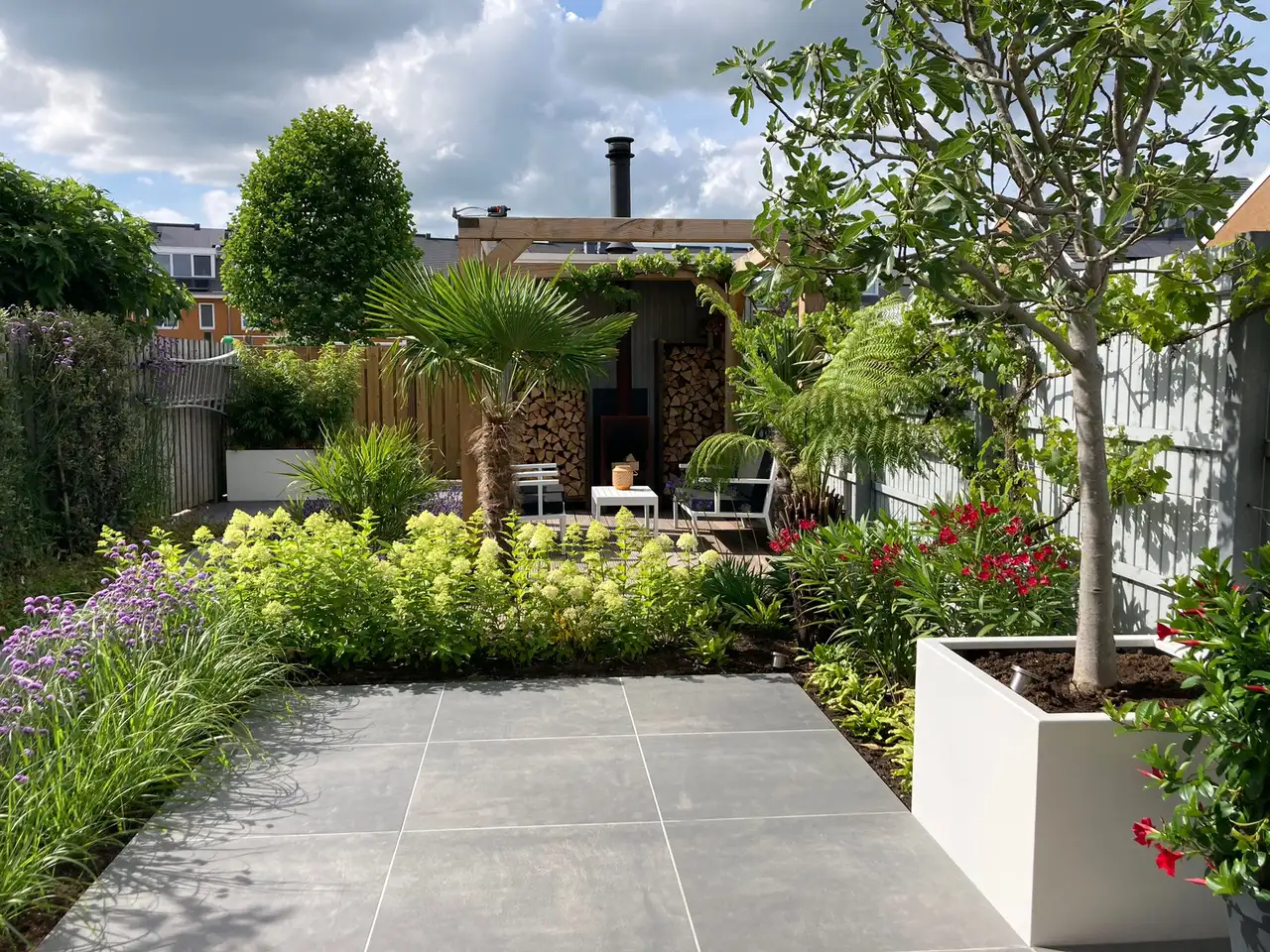
They pair best with rural, classic or romantic garden styles. In a sleek, modern garden they can read as a style clash - large, smooth slabs usually fit better there. We are happy to advise on the right material for your garden and house.
Hovenier Hoofddorp is your gardener for the greater Amsterdam area - from garden landscaping and garden maintenance to premium villa gardens with pools, nationwide. Fixed prices, reply within 24 hours.
Rather leave it to us? Request a quote.
We are happy to visit you for honest advice and a clear price. No hassle - just a well-kept garden, with everything explained in English.
Fast Response
We always respond within 24 hours, so you quickly know where you stand.
Professional Results
We work neatly and always leave your garden tidy. A deal is a deal.